I switched to Arch! And here's why Windows was trash
A personal reflection on my decision to switch to Arch Linux, and why Windows was trash in the first place.
I Use Arch Now.
Windows? That’s Trash.
This wasn’t a weekend experiment.
This wasn’t a “let me try Linux for fun” phase.
This was years of accumulated irritation, death by a thousand papercuts, finally boiling over into a clean, deliberate break.
I didn’t rage-quit Windows.
I outgrew it.
Growing Up on Windows (and Why It Worked… Until It Didn’t)
I’ve used Windows for as long as I’ve touched computers.
Windows XP -> Vista -> 7 -> Straight to 10
Then 11, the so-called “future”
Back then, Windows was fine. Not because it was good, but because I didn’t know any better. I was a kid. I played games. Purble Place. GTA San Andreas. Assassin’s Creed. Poly Bridge. I learned modding. I poked config files. I broke things and fixed them without even realizing that’s what I was doing.
I learned programming on Windows.
I learned computers on Windows.
It felt natural.
And honestly? For a long time, it worked.
But that comfort wasn’t respect.
It was familiarity.
And familiarity hides a lot of rot.
Windows 11: The Polished Coffin
When Windows 11 launched, I was excited. Genuinely.
New UI. New animations. New vibe.
Turns out, it was a makeover. That’s it.
Underneath?
- Base RAM usage creeping higher every update
- CPU usage idling like it’s mining crypto behind my back
- Fans spinning up for absolutely no visible reason
- Disk pegged at 100% while I’m doing nothing
- Telemetry running like an uninvited roommate 👁️👁️
Windows doesn’t feel evil.
It feels patronizing.
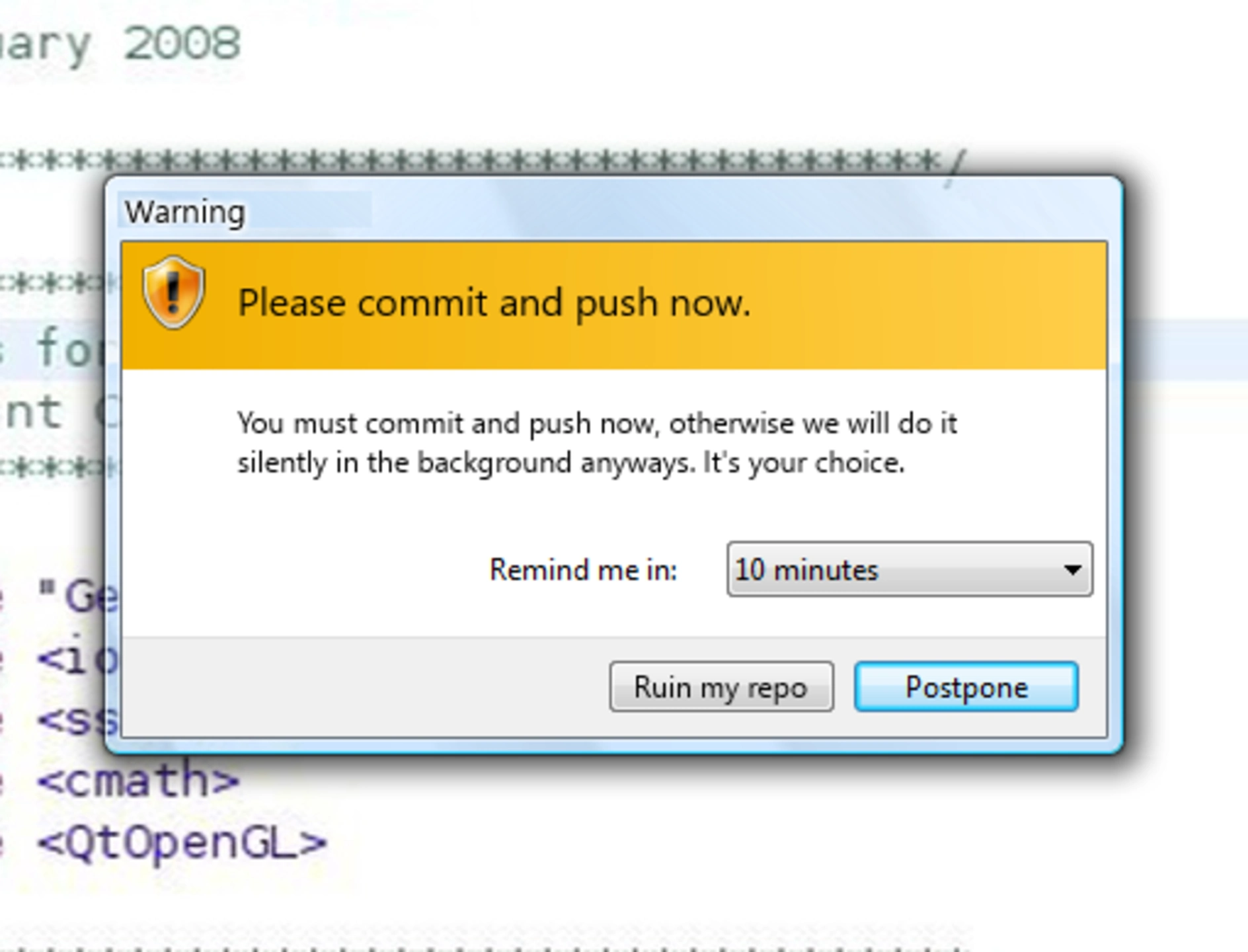
You ask it questions, and it dodges them. It doesn’t give a shit about consent.
Why is this service running?
“You don’t need to know. Legacy Stuff.”
Why did you reboot?
“I felt like doing so. It’s normal.”
Why did this setting reset?
“Because f**k you, that’s why.”
Settings are scattered like a mad swarm of bees.
Half in Settings, half in Control Panel.
Some buried behind registry edits and whispered prayers.
You don’t configure Windows.
You negotiate with it.
And Windows always thinks it knows better than you.
The Poor Man’s Fixes (and Living on the Edge)
I didn’t give up quietly.
I fought back.
Rectify11. Debloat scripts. Windhawk.
Third-party launchers. Custom taskbars.
Registry hacks. And more…
I tried to replicate my dream setup by using GlazeWM and yasb.
And yeah, I’ll say it: I recommend these to Windows users. They make the OS tolerable.
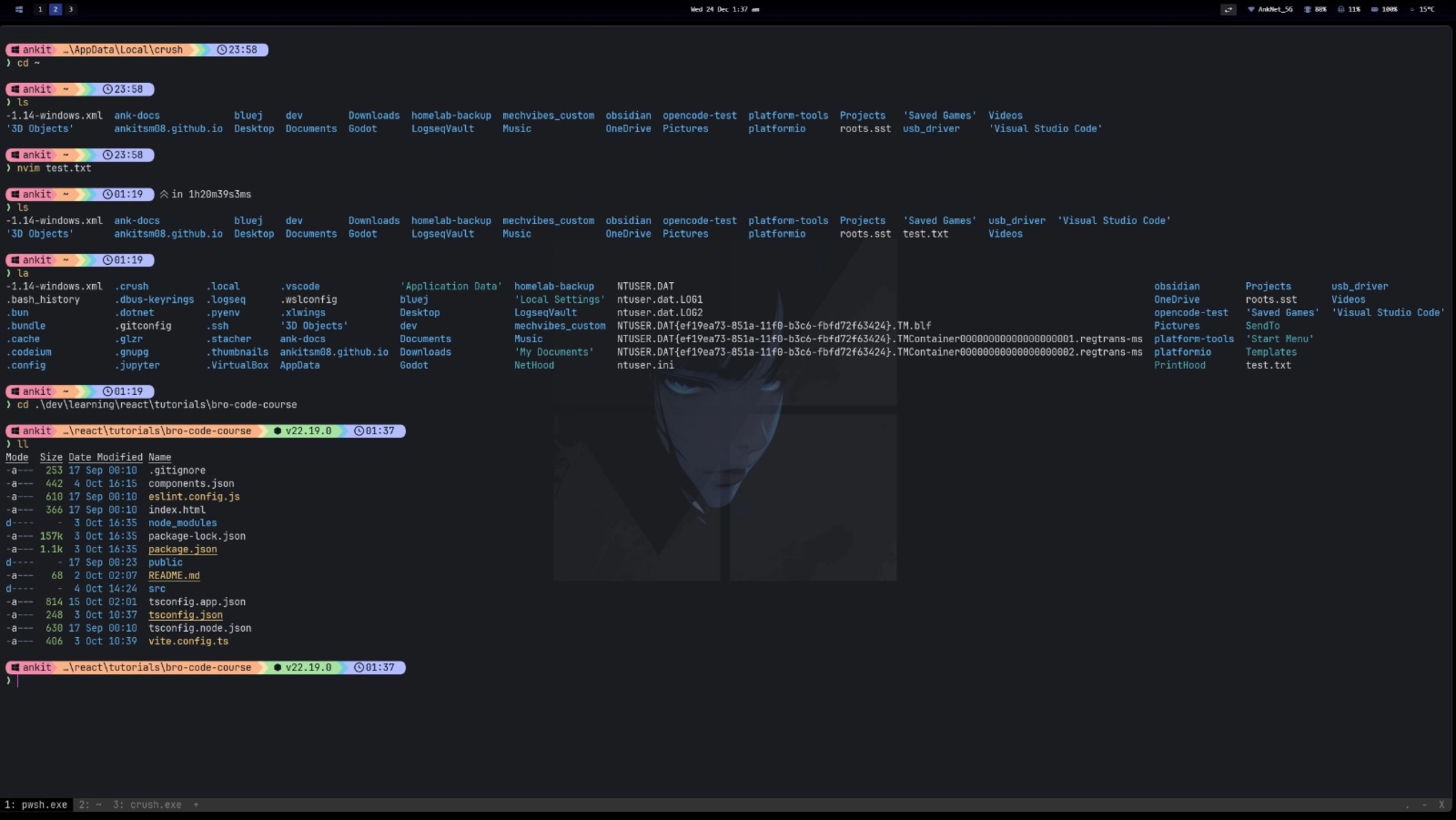
But that’s all they are.
Band-aids on a system that keeps reopening the wound.
Every update wiped something.
Every reboot broke a tweak.
Every fix was temporary.
I liked that chaos at first. I enjoy breaking and fixing things. That’s how you learn.
But eventually, you realize you’re not learning systems anymore.
You’re learning workarounds.
Development on Windows: Death by Friction
Then came real work.
Programming. Documenting. Testing.
Docker. Networking. Self-hosting.
And Windows started showing its teeth.
Docker on Windows means:
- A full Linux VM running in the background
- 2–4 GB RAM gone instantly
- Even more when containers are up
Now stack that on top of:
- 4–6 GB base Windows RAM usage
- Page file ballooning to 20–30 GB
- Constant disk churn
I lived at 90–95% RAM usage permanently.
And don’t get me started on window management.
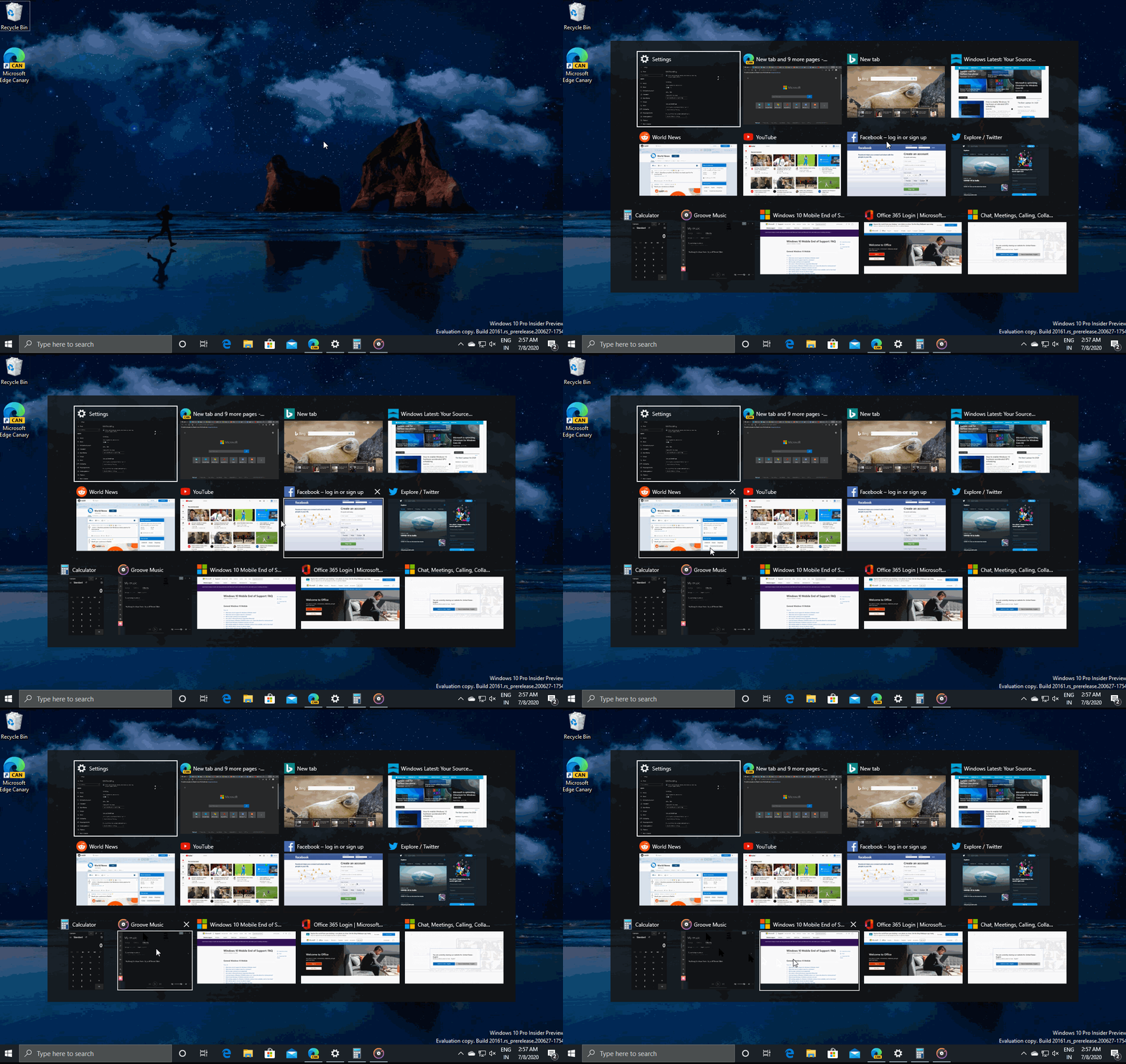
Alt+Tab. (eyeball search)
Alt+Tab. Alt+Tab.
Shift+Alt+Tab again because you missed it.
Virtual desktops existed, but felt like an afterthought.
Animations were trippy.
Long sessions felt exhausting.
I didn’t realize it at the time, but Windows was limiting how I thought.
AI Everywhere, Consent Nowhere
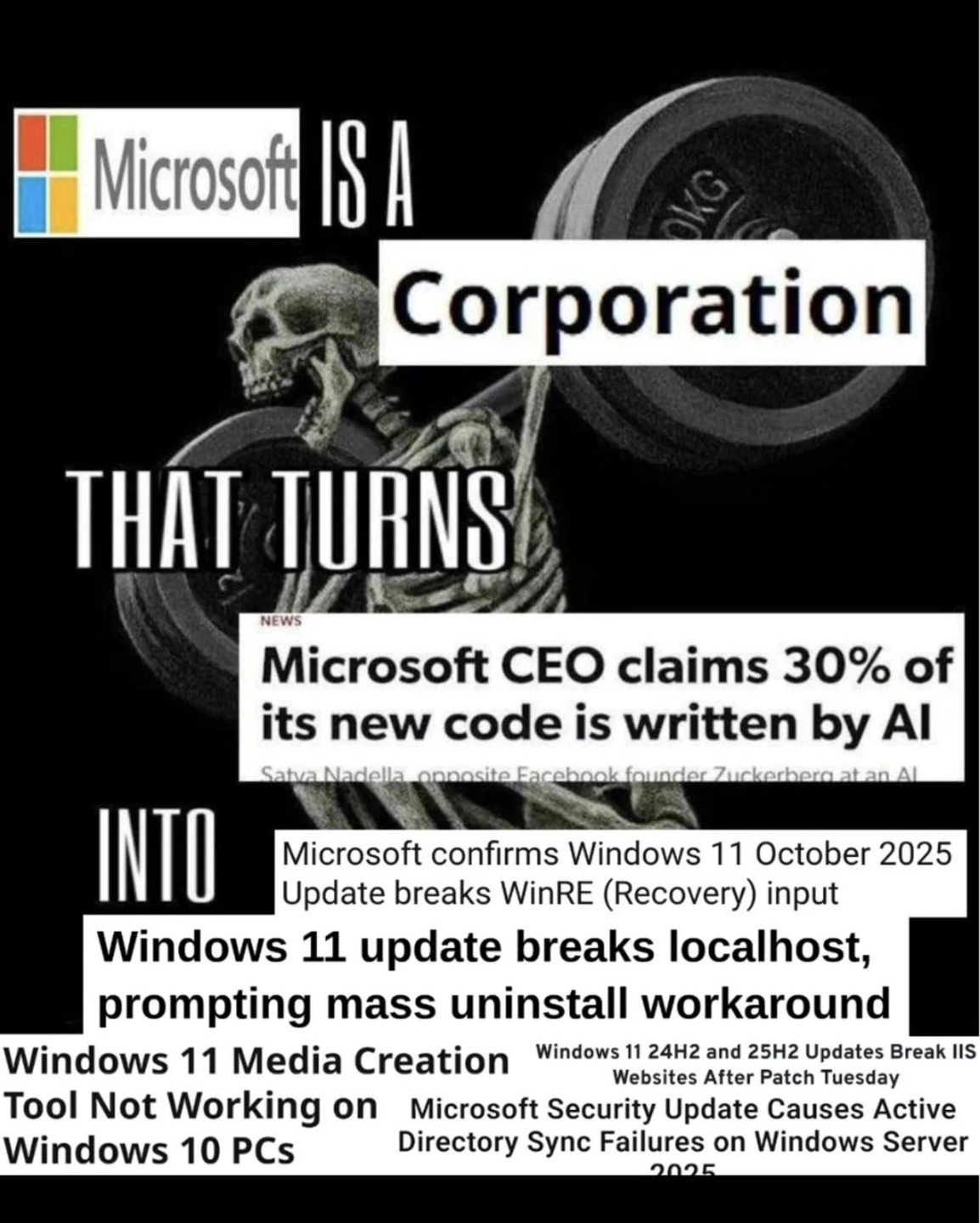
By 2025, Windows crossed from annoying to insulting.
AI shoved into everything.
Copilot popping up where it didn’t belong.
Features I didn’t ask for. Upgrades I didn’t consent to.
I don’t need AI in my OS. I have a browser.
I choose when and where I use tools.
I don’t need an operating system trying to “assist” me.
I need it to get out of the way.
Why WSL Wasn’t the Answer
Yes, I knew about WSL.
And no, it wasn’t Linux.
WSL always felt like an apology.
“Sorry we’re bad at this, here’s a subsystem.”
It was Linux inside Windows.
Which meant Windows was still in charge.
Memory leaks. Integration weirdness.
Networking oddities. Updates breaking things.
It never felt like home.
It felt like renting a room in a house owned by someone who might change the locks tomorrow.
First Taste of Real Linux
I dual-booted Ubuntu very long ago.
And my brain cracked open already.
The terminal and shell made sense.
The filesystem and permissions made sense.
Customization wasn’t locked behind paywalls or hacks.
I unknowingly started ricing before I even knew the word existed.
Everything was free, open and transparent.
No telemetry. No silent background bullshit.
But I still had chains.
I depended on Microsoft Office. Specifically Excel.
For reasons I can’t disclose.
No alternatives. No compromises.
So I stayed.
Linux was the dream.
Windows was the prison I kept returning to.
January 2026: The Breaking Point
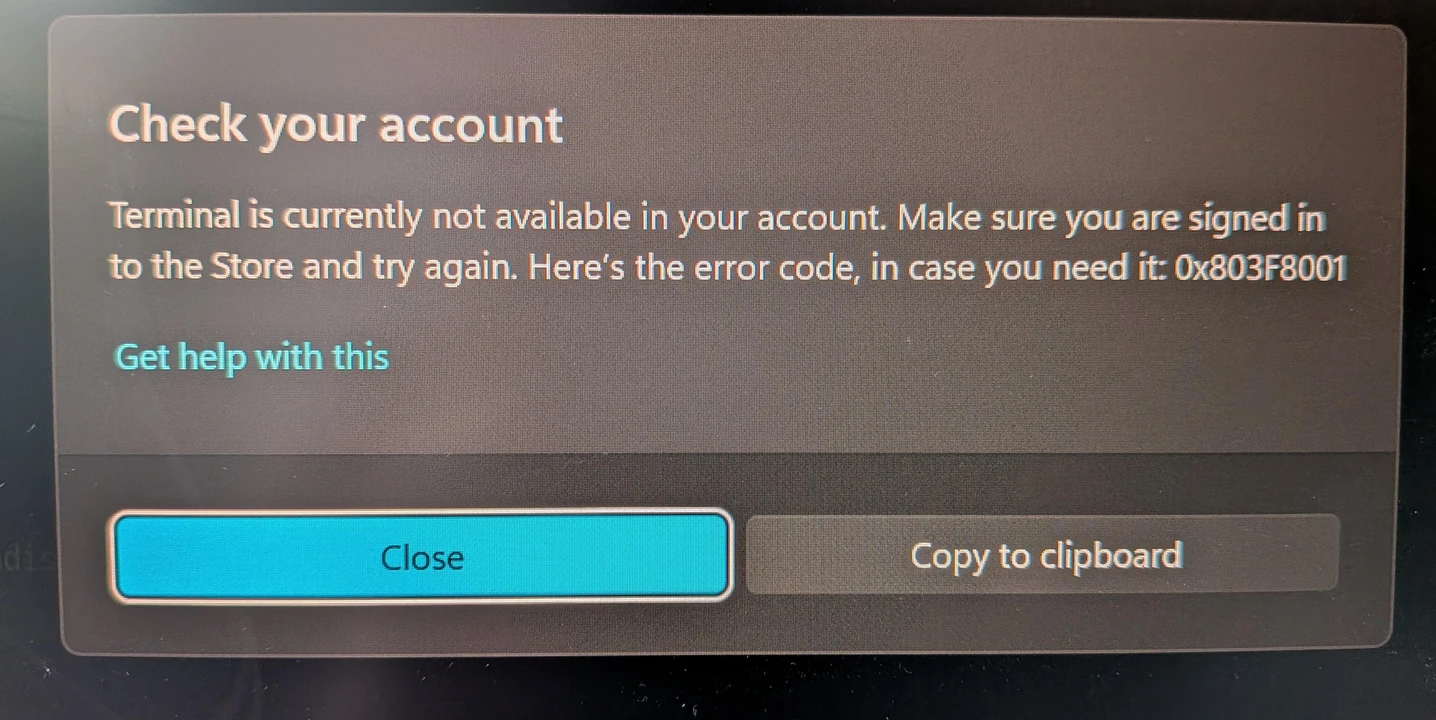
Then Windows did what Windows does best.
An update.
Start menu broken.
More AI garbage.
WSL memory leaks.
Random instability.
That was it.
Not rage, NOT RAGE! Clarity.
I didn’t want to fight anymore.
I said it out loud:
“F**k it. I’m going full Linux.”
Why Arch (and Not Just “Some Linux”)
I had options.
Ubuntu, Mint, Fedora…
But they didn’t fit my mind.
I already knew what I wanted:
- Keyboard-first workflow
- Tiling windows
- Workspaces by intent, not chaos
- No forced defaults
- No mystery services
Then I found Arch.
Arch doesn’t pretend.
It doesn’t sell comfort.
It doesn’t lie.
It says:
“You want control? Earn it.”
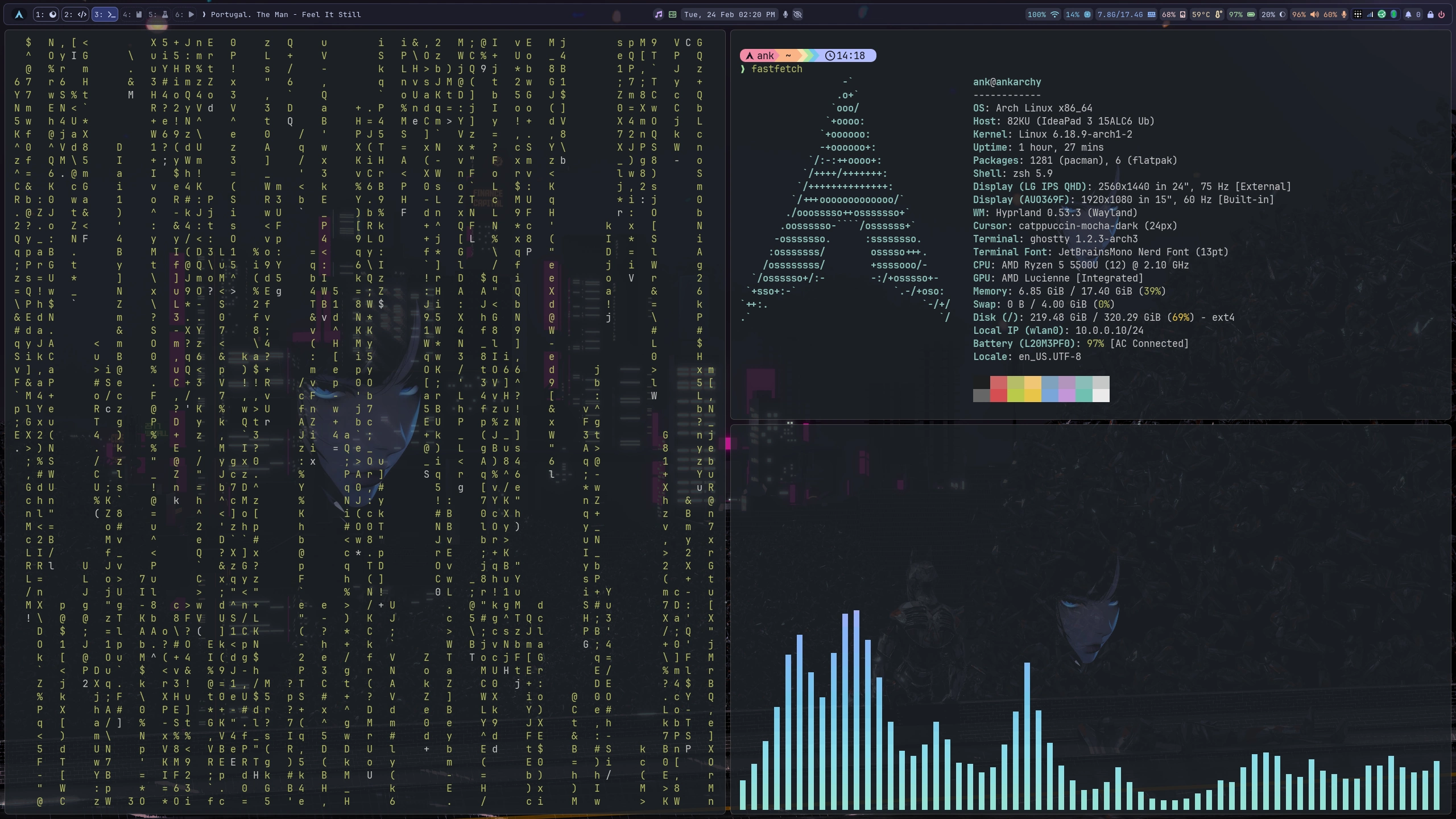
You build the system yourself.
From almost nothing.
Every package is intentional.
Every service exists because you put it there.
Rolling release. Bleeding edge.
Latest software when you choose.
The Arch Wiki isn’t documentation.
It’s a holy scripture.
The AUR? Dangerous, glorious and powerful.
Arch isn’t elitism. It’s ownership.
The Install: Three Tries and a Rewired Brain
I prepared like a lunatic.
Read the wiki 10+ times. Watched tutorials.
Wrote commands by hand. Made notes.
Made backups of my local files and personal data.
Took my USB drive:
Ventoy with Arch ISO and
Ubuntu + Mint + GParted because why not.
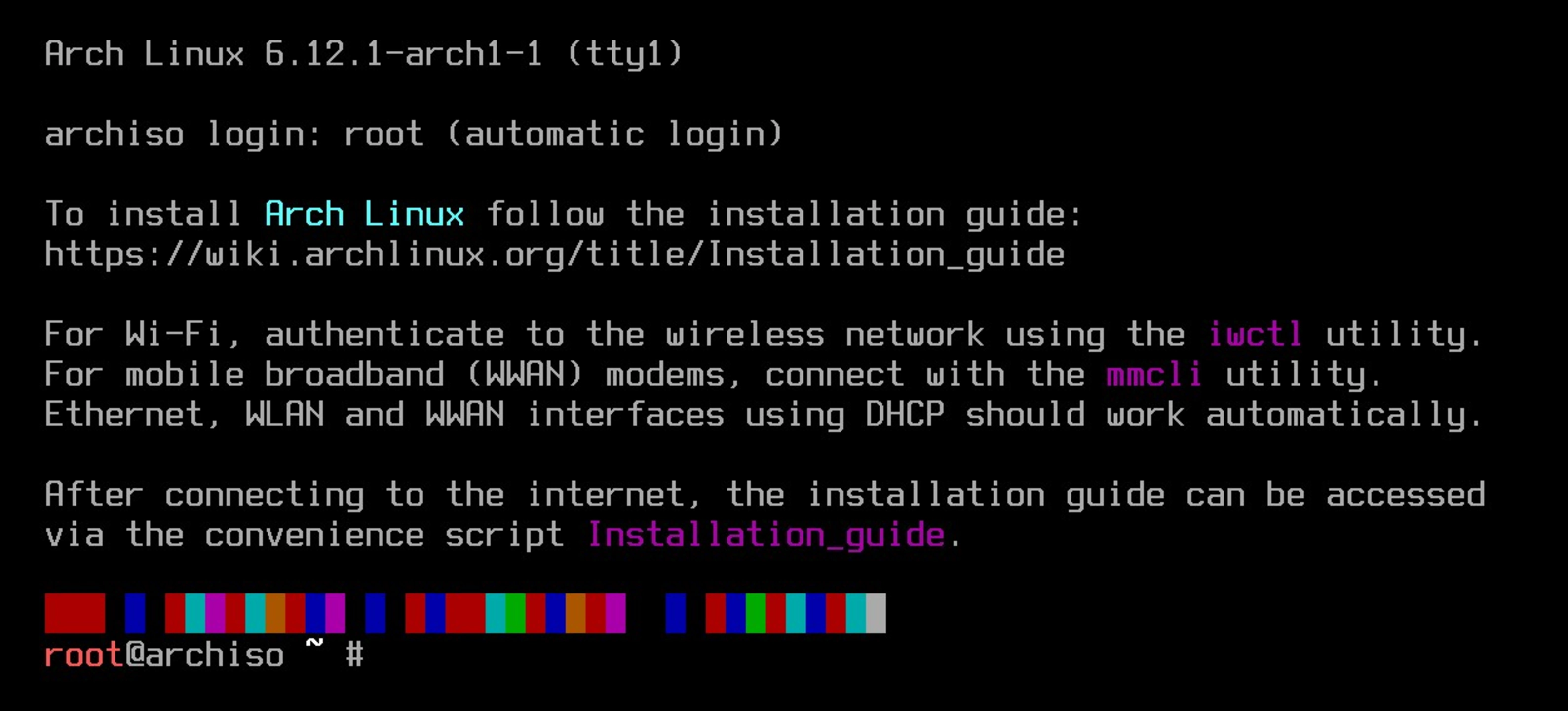
First install failed. (couldnt get wifi to connect)
Second install failed. (bricked my pacman)
Third one stuck.
Then it booted.
Hyprland, SDDM and a minimal system.
For two days, the system was barely usable.
And I learned more in those two days than years of Windows.
How boot works, how services start.
How the OS assembles itself piece by piece.
Idle RAM? Under 1 GB.
Speed? Violent.
My Current Arch Workflow (The Good Shit)
This is home now.
- Hyprland tiling WM
- Keyboard-driven everything
- Custom Waybar with my own scripts
- Neovim as a brain extension
- tmux as mission control
- Terminal-first life
- Docker running natively, no overhead
I don’t ask my OS for permission.
I tell it what to do.
Logs don’t gaslight me.
Errors make sense.
Fixes are real fixes.
And fyi, floating mode does exist if you’re into that.
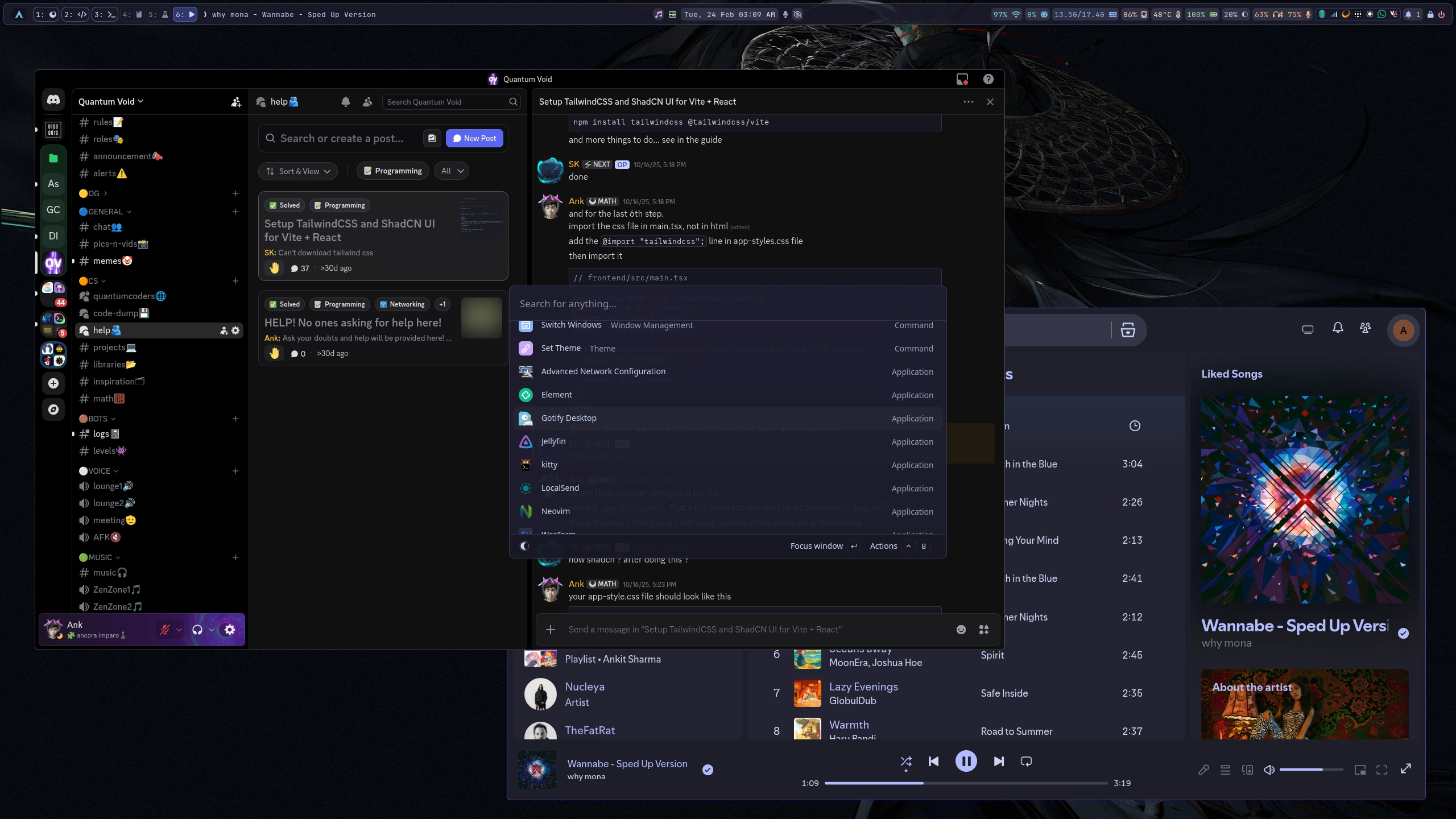
And scripting? Unlimited.
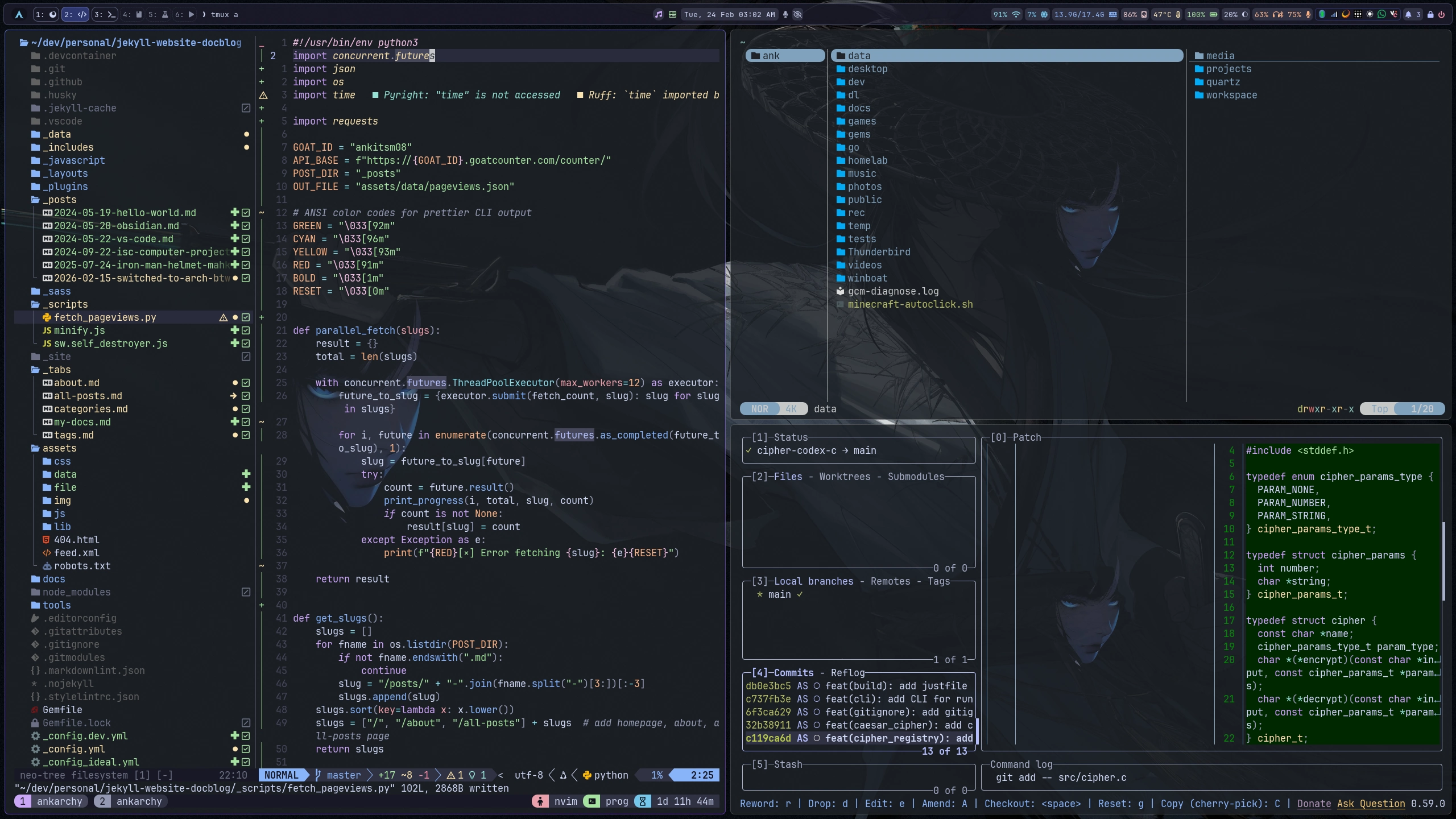
If I want a widget, I write it.
If I want automation, I build it.
My system bends because it’s mine.
Windows… as a VM (Where It Belongs)
Remember Excel?
I didn’t give it up.
I inverted the power dynamic.
Windows now runs in a VM.
64 GB disk. 4 GB RAM. Debloated. Updates disabled.
Shared directory. Side by side with Linux.
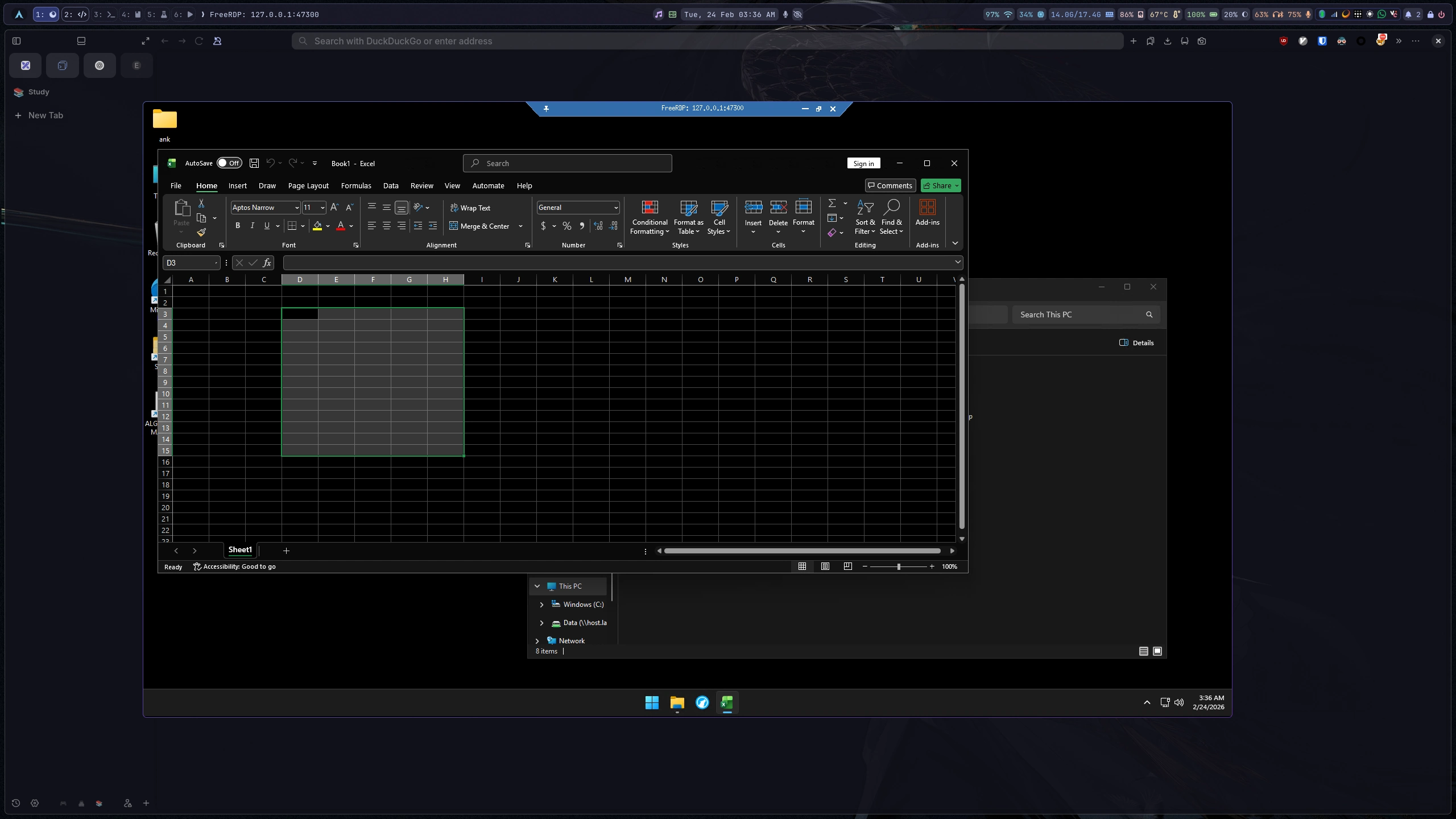
My workflow flipped from:
Windows (Linux as a guest)
to
Linux (Windows on a leash)
Windows runs only when I allow it.
No background drain and no interference.
That felt powerful. Liberating.
Pain, Breakage, and Real Learning
Arch punched me too.
Kernel panics.
Wi-Fi breaking.
Bluetooth being a diva.
At one point, I had two networking backends fighting each other like feral animals because I didn’t understand what I installed.
And that’s the point.
Arch doesn’t hide consequences.
It teaches.
You learn daemons.
You learn services.
You learn networking.
You learn kernels.
RTFM stops being an insult and becomes a survival mechanism.
Final Words
Switching to Arch didn’t make me smarter.
It made me responsible.
And responsibility beats convenience every single time.
Windows wants users.
Arch makes builders.
I don’t recommend Arch to everyone.
Most people are busy with lives I don’t want.
But for me?
Arch isn’t an OS.
It’s a lifestyle.
A discipline. A statement.
I don’t want my computer to babysit me.
I want it to obey me.
So yeah.
I use Arch now. 🖤
Windows? Your time’s up.